
IMPACT REPORT 2025
IMPACT REPORT 2025
✤
IMPACT REPORT 2025 ✤
INTRODUCTION FROM CEO
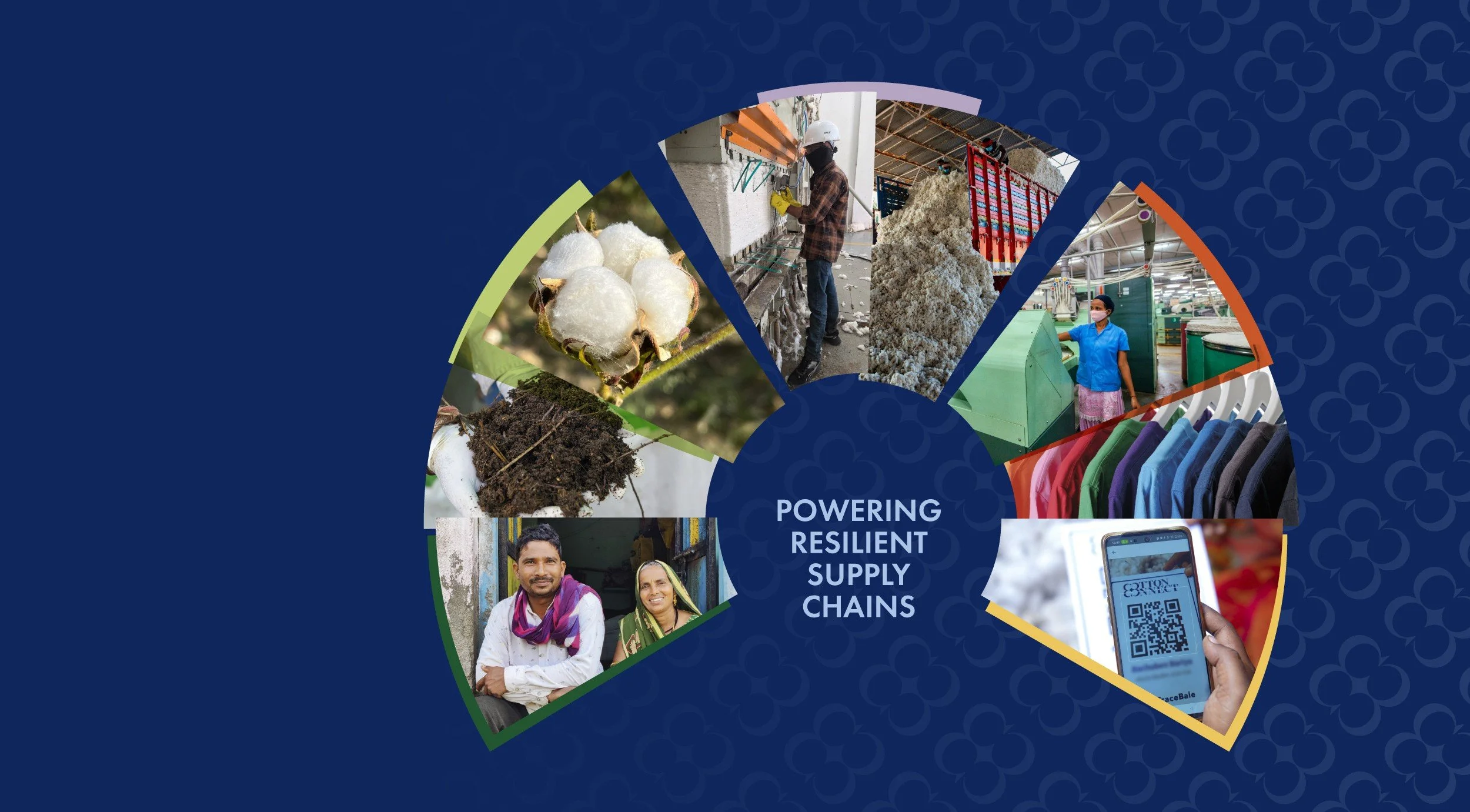
Global cotton supply chains are under increasing pressure. Climate volatility, evolving legislation, and rising expectations from brands and consumers are reshaping how cotton must be grown, verified, and traded. At CottonConnect, we are responding to this challenge by Powering Resilient Supply Chains – connecting farmers, gins, and global brands through systems that are traceable, regenerative, and commercially viable.
This year’s Impact Report reports on CottonConnect’s progress and how we are delivering traceable, responsibly sourced cotton for global brands and manufacturers. In times of economic and environmental challenge, we are supporting our clients to meet their commercial priorities as they navigate increasing risks and changing legislation. We provide the traceability, assurance, and due diligence required to power the resilient supply chains businesses need right now.
For us, resilience means cotton supply chains that can withstand climate shocks, meet regulatory scrutiny, protect human rights, and remain profitable for farmers. Only by making sustainable production commercially viable can we support the people and nature at the heart of producing raw materials.
Regenerative agricultural practices, many of which are ancestral farming practices, continue to be a key focus for our farmer training. The majority (99.2%) of our REEL farmers are enrolled in our REEL Regenerative programme, with over 260,000 trained on regenerative practices this year. This year, trained farmers achieved a 34.9% increase in profit compared to control farmers, demonstrating that regenerative agriculture can strengthen both environmental outcomes and farm-level economics.
For us, Powering Resilient Supply Chains is more than a tagline; it reflects our belief that sustainable cotton must work for farmers, for ecosystems, and for the global brands that rely on them. This is underpinned by the three pillars of Innovating Products, Nurturing People, and Regenerating Planet, with the supporting activities for each pillar detailed in this report.
As we look ahead, our focus remains clear: scaling regenerative agriculture, strengthening traceability and certification, and expanding our impact across landscapes and supply chains. We remain committed to working alongside farmers, ginners, and global brands to ensure cotton production is fit for the future.


Alison Ward
Chief Executive Officer, CottonConnect
OVERVIEW OF COTTONCONNECT
Programmes
Programmes reporting 2024-25 results in this report:
REEL Cotton; REEL Regenerative;
Organic Cotton Farmer Training Programme;
Responsible Business for Gins


CottonConnect is also an implementing partner of Better Cotton, which reports its Farmer Results and Impact Reports at bettercotton.org.
Countries
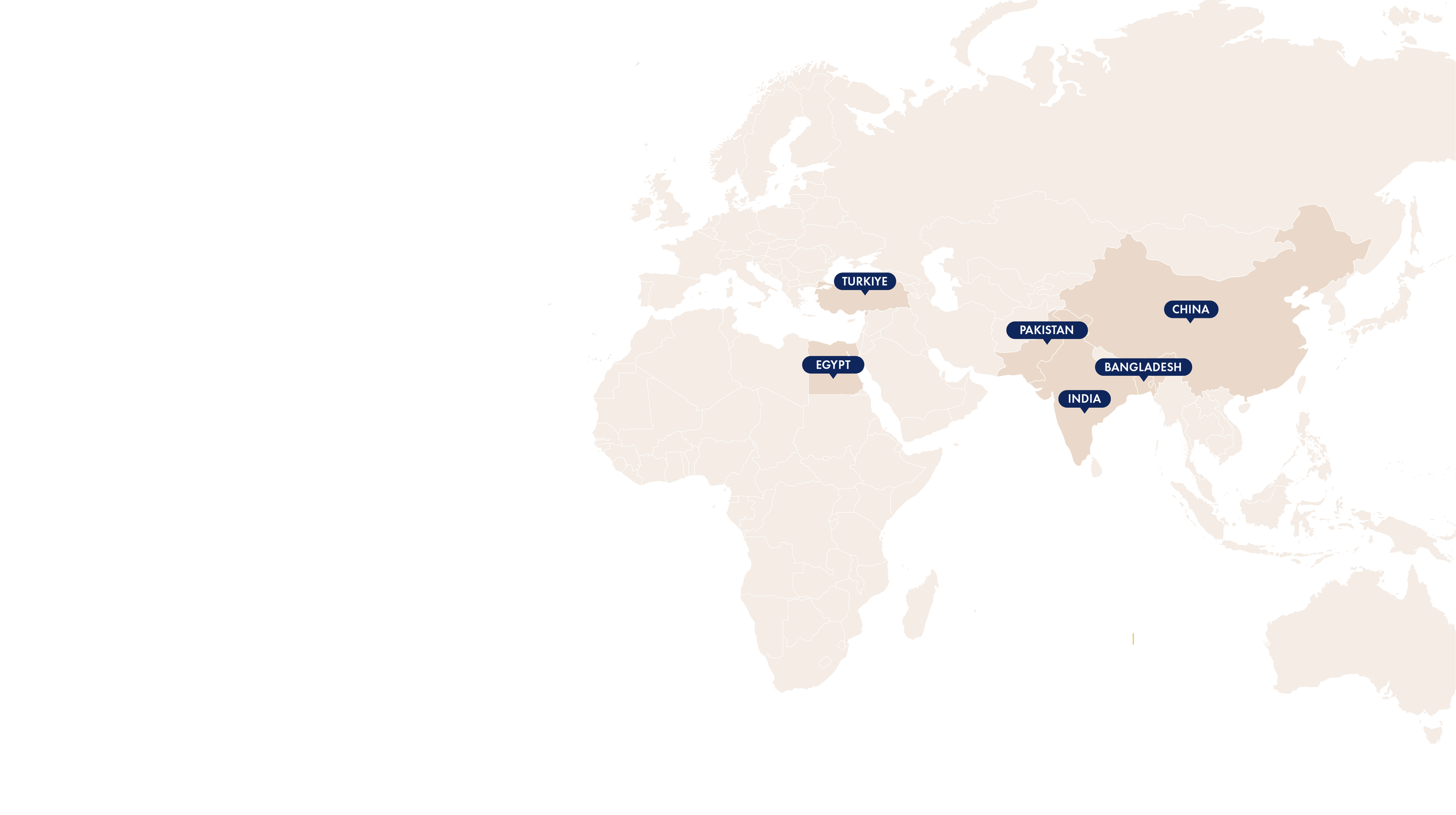
Location of programmes reporting 2024-25 results in this report: India, Pakistan, Bangladesh, China, Egypt, Türkiye
448,549
Fibres traced through TraceBale in 2024-25:

152,174
Focus Areas

Environment

Climate

Livelihoods

Gender

HRDD

INNOVATING PRODUCTS
REEL PROGRAMME RESULTS
The 2024–25 aggregated results demonstrate that regenerative and responsible farming practices can deliver both environmental gains and economic improvement. Higher profits combined with reduced chemical inputs and improved resource efficiency strengthen both farmer livelihoods and long-term cotton availability.
The REEL Programme results for 2024-25 are aggregated for all REEL Cotton and REEL Regenerative programmes in India, Pakistan, Bangladesh, China, Egypt, and Türkiye. The global aggregated REEL Programme consists 99.2% REEL Regenerative farmers and 0.8% REEL Cotton farmers.

7.5%

11.8%

15.4%

use by
1.3%

34.9%

127.3%

15.2%
107.6%
KPIs measurements:
Yield (kg/acre), Water use (m3/acre), Pesticides (ml/acre), Fertiliser (kg/acre), Input cost (USD/acre), Profit (USD/Acre)
Sample size:
Approximately 50% sample of the farmers trained in REEL Programmes, compared with conventional farmers (a control sample of 10% of the sample project farmers).
Verification:
Second-party verified by CottonConnect and third-party verified by FLOCERT.
HOW THE RESULTS DEMONSTRATE THE THEORY OF CHANGE
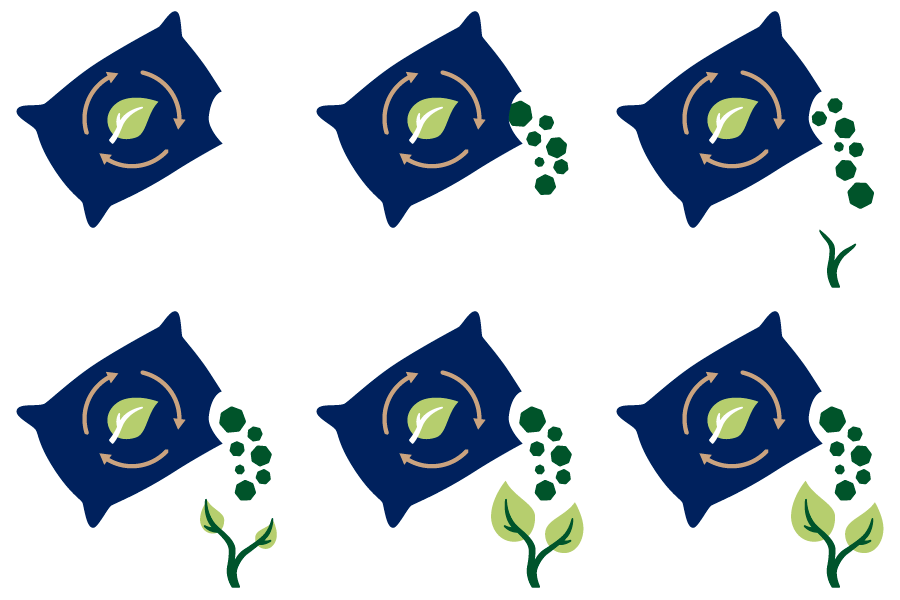
The REEL Programme’s aggregated results validate the Theory of Change: targeted training drives practice adoption; practice adoption improves soil health and input efficiency; these improvements increase profitability and resource sustainability; together, they build resilient production systems.
SUSTAINABLE LAND MANAGEMENT
Improved soil health, plant growth, and increased yields /profits
Yield increased by 7.5%
Profit increased by 34.9%
Soil fertility is safeguarded through reduced use of fertilisers and savings from reduced input costs
Chemical fertiliser use reduced by 11.8%
Natural fertiliser use increased by 107.6%
Input costs reduced by 15.4%
Soil health is preserved through reduced use of pesticides and increased use of bio-pesticides
Chemical pesticide use reduced by15.2%
Farmers benefitted from the replication of sustainable best practices
Natural pesticide use increased by 127.3%
Adoption of sustainable practices

ENVIRONMENTAL STEWARDSHIP
Sustainable and responsible use of water resources
Water use reduced by 1.3%
Sustainable waste management practices
Organic farm waste recycled
Preservation of ecosystems and biodiversity in the farmlands
Adoption of regenerative agriculture practices
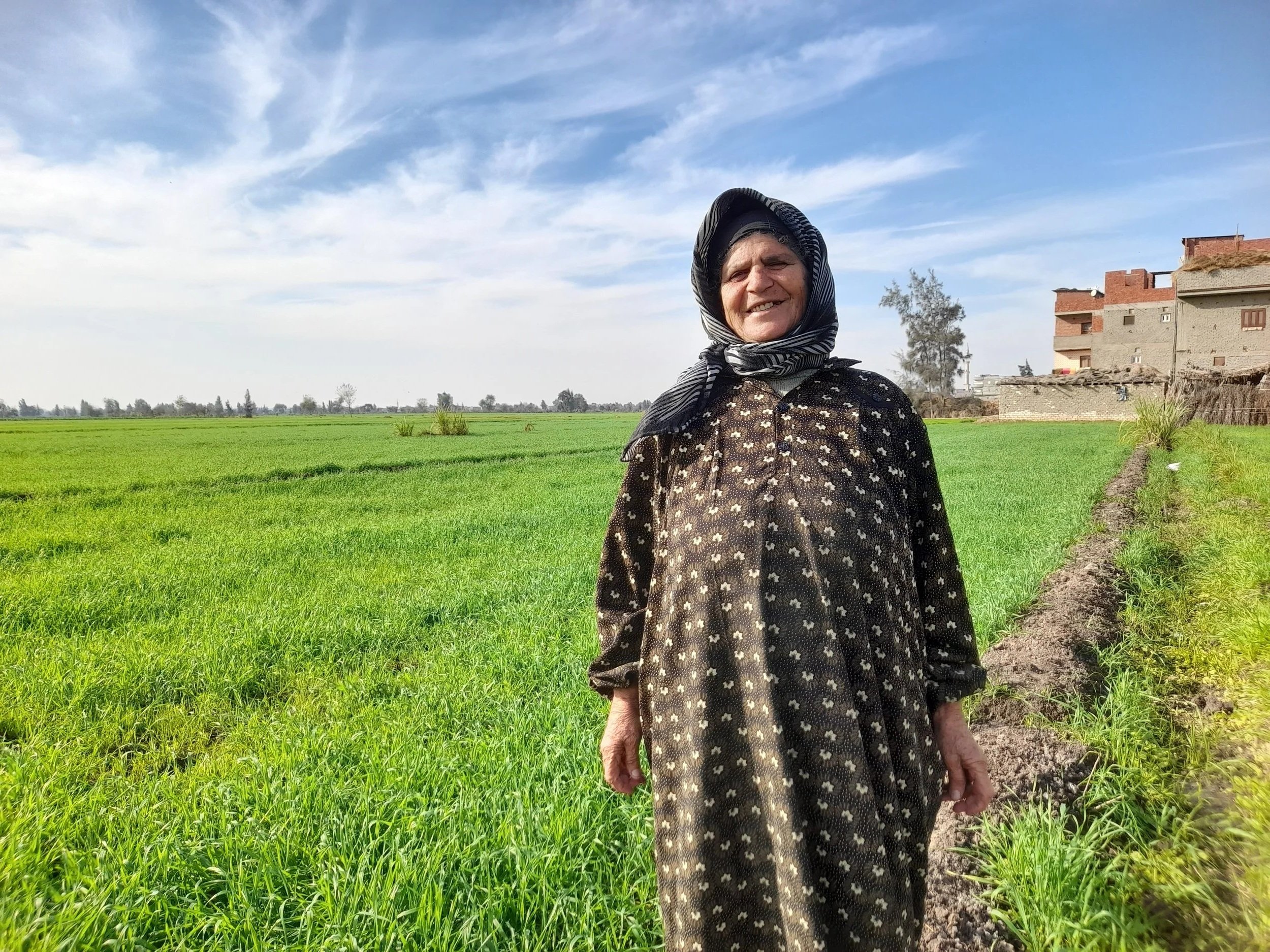
Nazek Attia is a 67 year old farmer from Egypt’s Radwan Basin, farming for nearly four decades on a half-feddan plot. For many years, she relied heavily on chemical fertilisers and pesticides, with limited access to training or extension support.
As a woman farmer, it was difficult for her to get timely information on sowing, fertiliser doses, cotton quality, and safe disposal of pesticide containers. Rising input costs and soil fatigue gradually affected both her farm income and household needs.
Nazek joined the REEL Cotton Programme in 2022 to seek practical guidance. During the 2024 season, she took part in hands-on training, field demonstrations, and discussions. She adopted composting, improved picking practices, intercropping, safer pesticide handling, better water management, and the use of cotton stalks to improve soil fertility.
Within one season, cotton productivity increased from 1,260 kg per feddan in 2023 to 1,350 kg per feddan in 2024. Improved cotton quality helped her receive higher prices, while reduced fertiliser use and a 25% reduction in irrigation water lowered costs, saving her around EGP 5,000 (GBP 78). The improved soil condition and crop health gave her the confidence to continue with these practices.
Breaking Barriers: One Farmer’s Journey Toward Sustainable Cotton Farming

I am very satisfied with the information I received. Many farmers I know now want to join the programme.
NAZEK ATTIA– RADWAN BASIN, EGYPT
REGENERATING PLANET
REGENERATIVE AND HOLISTIC FARM APPROACH
Cotton production depends on healthy soils, stable water systems, and functioning ecosystems. Without them, supply chains weaken. The REEL Regenerative programme is designed to protect and restore the natural foundations of cotton farming, ensuring that cotton can continue to be grown productively for generations to come.
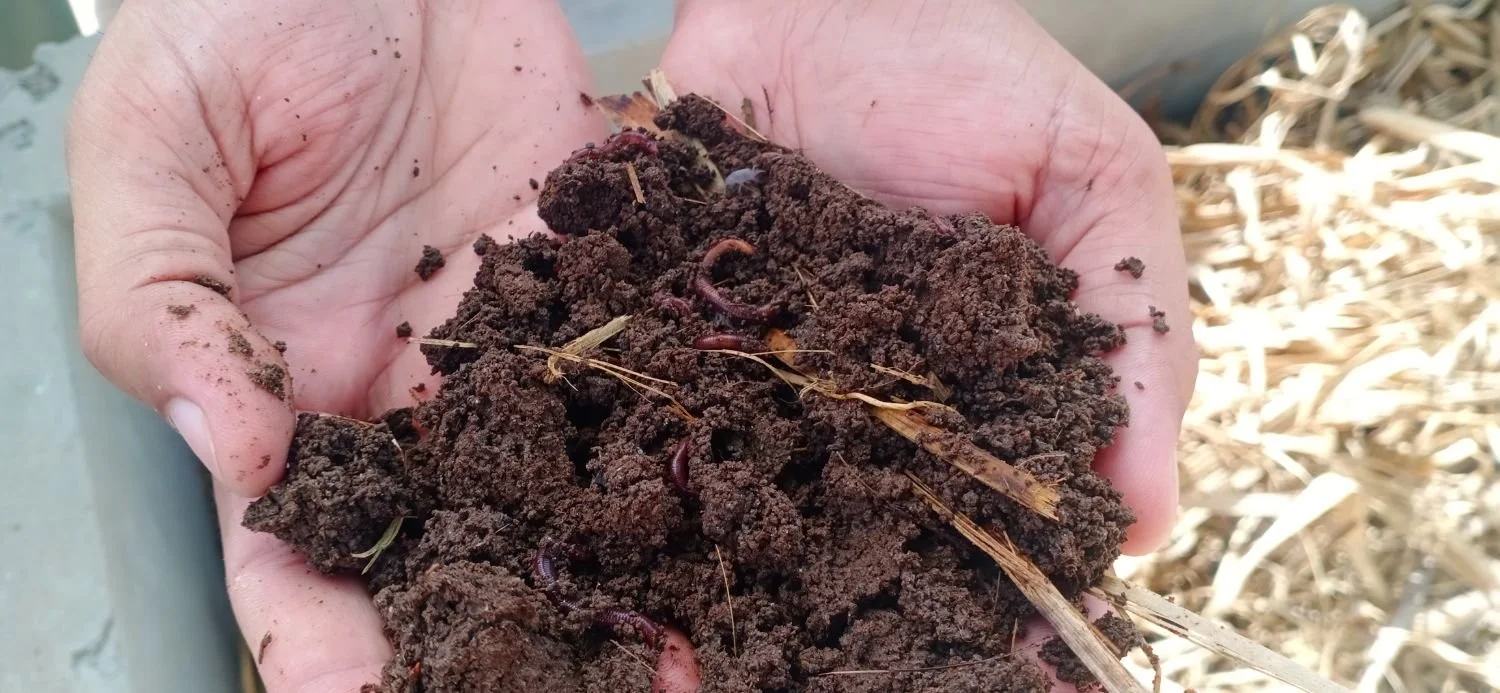
Farmers were trained in several soil management practices, including crop rotation, farm yard manure application, composting solutions such as vermi-compost, soil testing, intercropping, mulching, and reduced tillage.
Farmers were taught pest management practices including yellow sticky trap, pheromone trap, trap/refugee crops, border crops, cover crops, bird perches, homemade biopesticides, and pest scouting.
Soil Management
Project farmers used 11.5% less chemical fertiliser than control farmers.
Project farmers used 130.4% more natural fertiliser than control farmers.



99% of project farmers adopted at least one practice
82% of project farmers adopted at least two practices
Pest Management

Project farmers used 14.9% less chemical pesticide than control farmers
Project farmers used 110.2% more natural fertiliser than control farmers

89% of project farmers adopted at least one practice
65% of project farmers adopted at least two practices
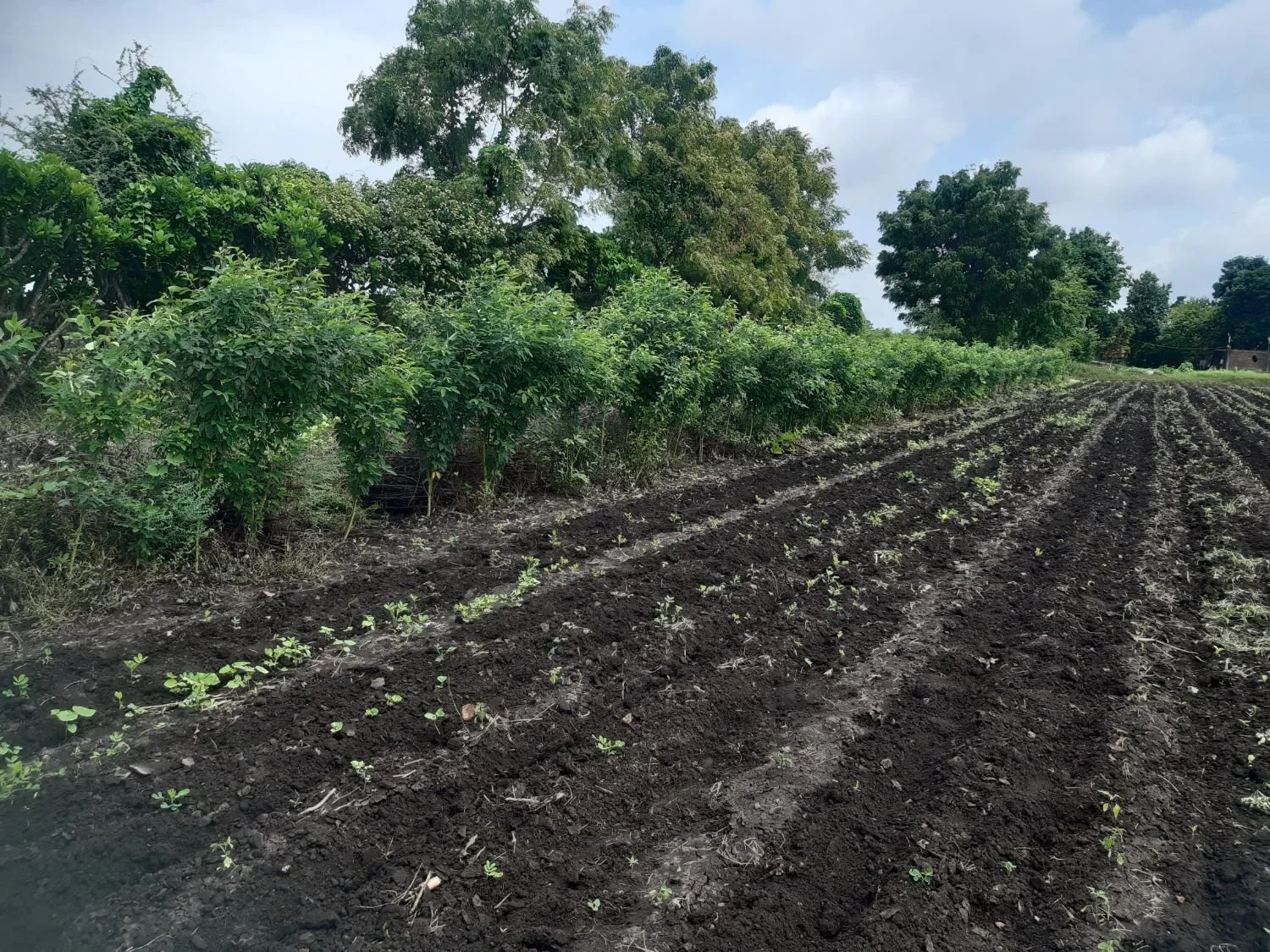
Results from REEL Regenerative programme 2024-25, global aggregated figures from programmes in India, Pakistan, Bangladesh, Türkiye, China, and Egypt.
Protecting natural ecosystems
Water conservation and soil moisture techniques such as short duration cover crops and green mulching, conserve moisture in soil, improving soil health, habitat creation and shelter, and biodiversity enhancement. Micro-irrigation systems reduce water use and conserve local water resources.
Agroforestry systems increase carbon sequestration, reduce soil erosion, and create diversified farm landscapes that are more resilient to extreme weather events.
In 2024–25, a biodiversity tracking project in Gujarat, India used bioacoustic monitoring devices to measure pollinator activity. Farms practising regenerative methods recorded 62.6% higher bee activity than control farms, alongside nearly double the number of plant species. These findings provide early evidence that regenerative practices are restoring ecological function, a critical indicator of long-term farm productivity.
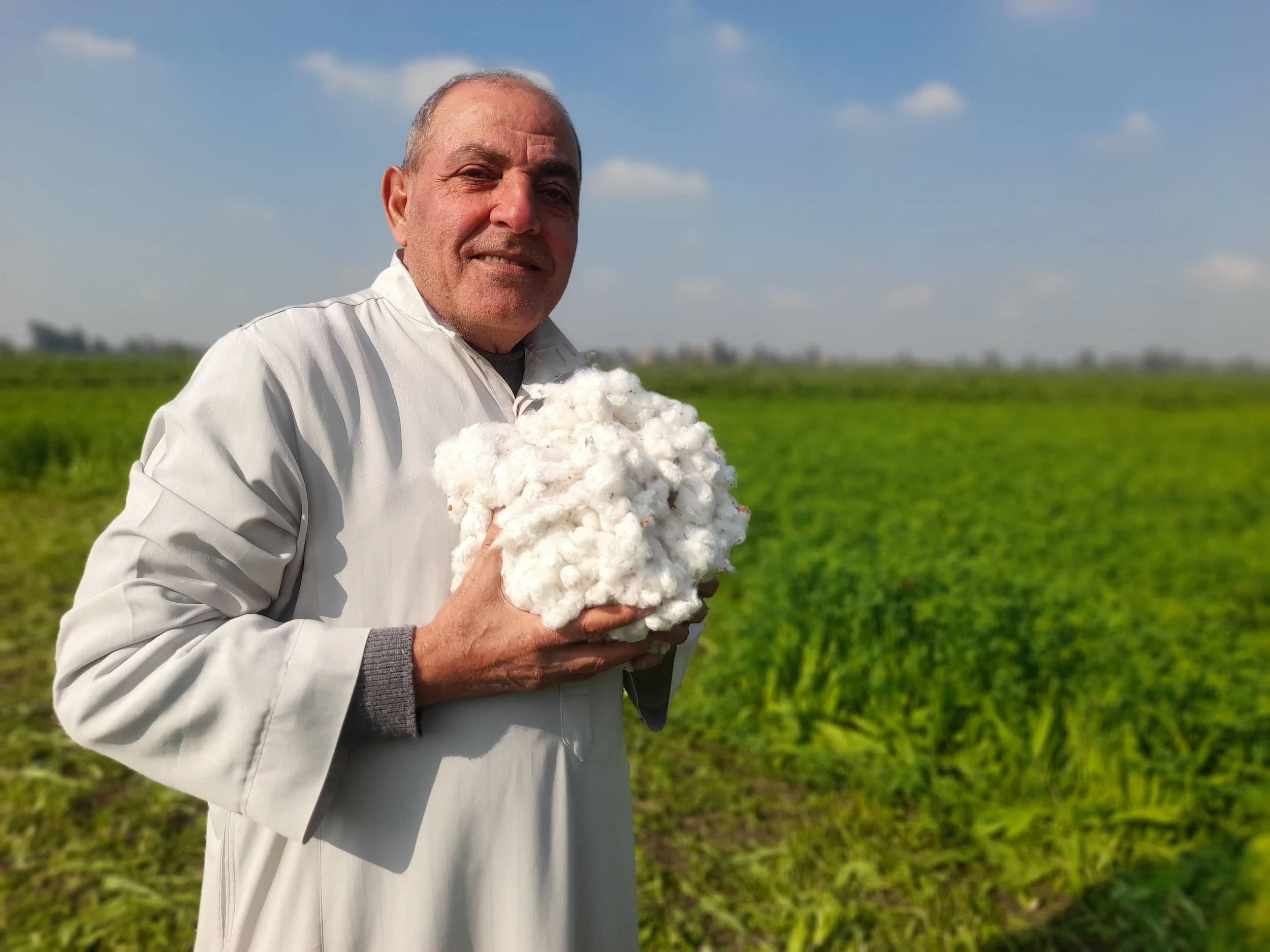
MOHAMED ASSRA
– DEMETNO VILLAGE, EGYPT
For many years, Mohamed Assra managed his cotton field the way most farmers around him did—spraying pesticides by the calendar and mixing several chemical products in a single application. But season after season, this began to negatively impact the soil and crop. Salinity increased, beneficial insects vanished, and yields slowly declined, meanwhile the cost of pesticides and fertilisers kept rising.
Mohamed began attending training sessions as part of the REEL Regenerative programme and, for the first time, learned how pests develop, how to identify natural predators in his field, and why spraying without checking pest pressure was harming both his soil and his crop.
He stopped routine spraying and started regular field scouting, spraying only when pest levels crossed economic thresholds. He introduced border crops and intercropping to attract beneficial insects, installed pheromone traps for monitoring, and improved weed and crop rotation practices. To address declining soil health, he reduced chemical fertilisers and increased the use of farmyard manure and bio-fertilisers.
Within one season, the impact was clear. Mohamed reduced his pesticide costs by about EGP 1,500 (GBP 23) per feddan and lowered fertiliser use from 430kg to 350kg while maintaining balanced nutrition. The soil structure improved, salinity levels began to fall, and beneficial insects returned to his fields. Importantly, cotton yields increased by 15%, rising from 1,200kg to 1,400kg per feddan.
By working with nature rather than against it, Mohamed has restored his soil, reduced costs, and improved the long-term sustainability of his farm.
Restoring Soil Health Through Regenerative Cotton Farming
FARMERS’ INCOME AND PROFIT GROW IN SECOND YEAR OF ORGANIC COTTON FARMING
In 2024-25, 137 farmers in seven villages in the Dera Ghazi Khan District took part in their second year of CottonConnect’s Organic Cotton Farmer Training Programme. Despite lower yields than conventional farmers, the organic farmers earned 35.3% higher profits than conventional farmers, supported by a 47.2% reduction in input costs due to the elimination of chemical fertilisers and pesticides, and a 7% premium on the sale of organic cotton.
The programme generated notable environmental gains, including 100% elimination of synthetic chemical usage, up to a 21.6% reduction in water consumption per acre through efficient irrigation, and widespread adoption of biodiversity and soil health measures such as crop rotation, green manuring, and the use of animal manure.
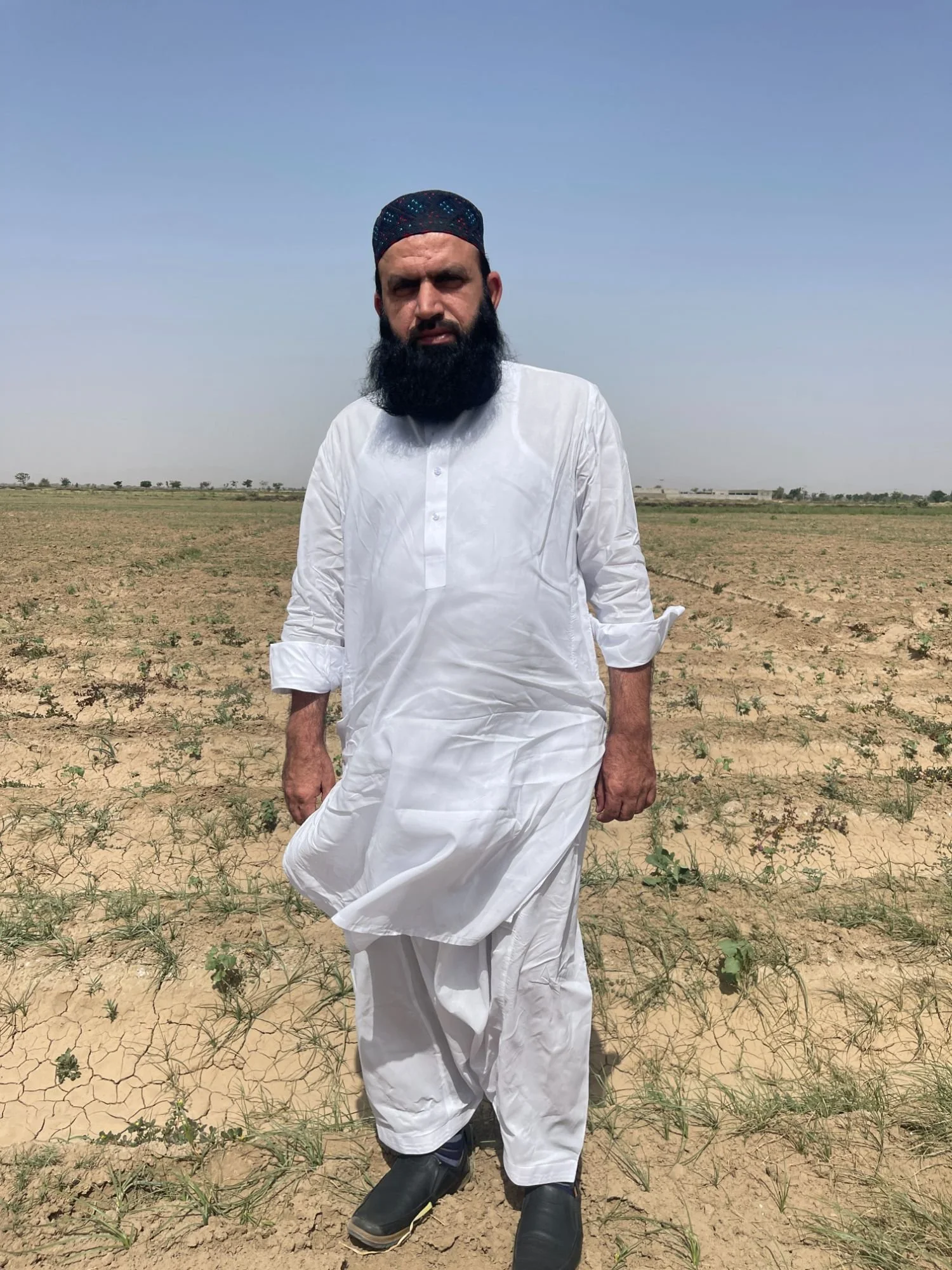
Qazi Ahsan Ahmad,
Pakistan
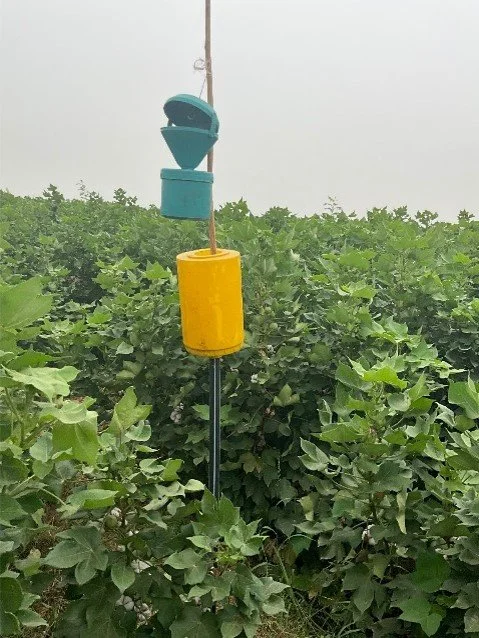
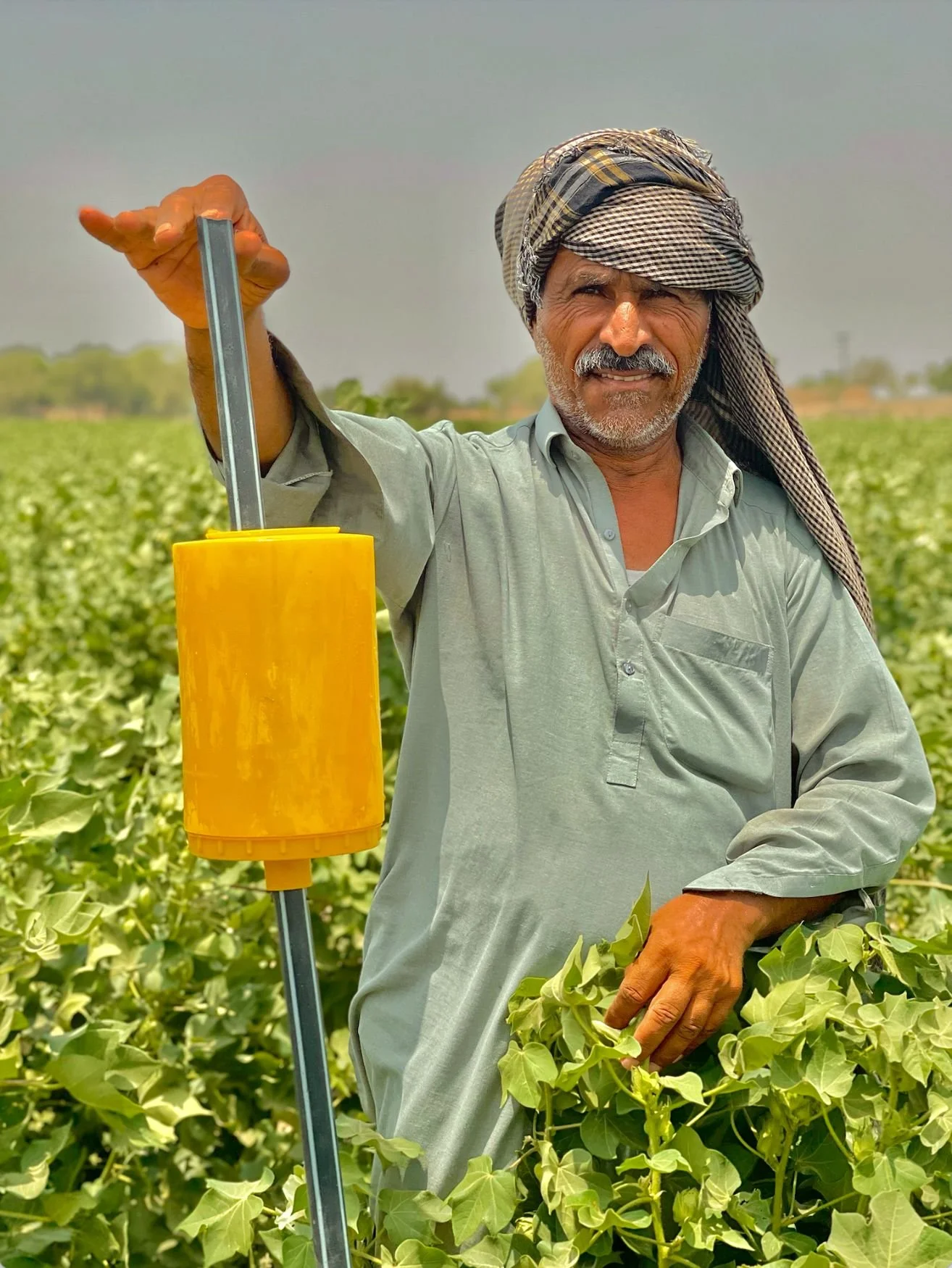
Qazi Ahsan Ahmad, a farmer enrolled in CottonConnect’s Organic Cotton Farmer Training Programme, in Pakistan, adopted Integrated Pest Management practices using plant-based preparations made from calotropis, bitter apple, and neem. These methods effectively controlled pests while protecting beneficial insects and supporting on-field biodiversity.
For soil nutrition, he applied certified organic fertilisers, improving soil structure and nutrient availability. Over time, crop performance stabilised, and the organic cotton fields became a practical learning site for other farmers.
Qazi achieved an average yield of 672 kg of seed cotton per acre, reduced input costs by 47% per acre, and realised 35% higher profits compared to neighbouring conventional farms—while using zero chemical inputs.
ORGANIC INTEGRITY
Organic integrity is the core of any organic programme. CottonConnect has developed a number of systems and critical control points working closely with all parties in the supply chain. This provides brands with confidence in the organic supply chain, while giving farmers and gins access to market and premiums.
CottonConnect’s approach towards organic cotton goes through a rigorous process which starts even before sowing, where non-Bt seeds are carefully sourced from the suppliers. Regular GMO and pesticide residue tests are conducted throughout the season, covering at least five stages of the crop. CottonConnect also collects and validates the scope certificates and appropriate training is given to ensure that the cotton is grown and harvested according to relevant organic certification standards.
In 2024-25 CottonConnect exceeded its customers’ target organic integrity scores, with an aggregated score across programmes of 99.7% organic cotton.

NURTURING PEOPLE
RESPONSIBLE BUSINESS FOR GINS
Ginning is a critical control point in the cotton supply chain. It is where traceability must be maintained, where labour standards must be upheld, and where environmental and safety risks can concentrate. Strengthening practices at gin level is therefore essential to building resilient, accountable supply chains. CottonConnect works with gins processing the seed cotton grown in its programmes, to promote responsible business conduct at gin level.
The Responsible Business for Gins programme has expanded to more gins and regions. Aggregated results from India, Pakistan, Bangladesh, China, and Türkiye in 2024-25 show:

Compliance with safety aspects increased from 71% to 93%

Adoption of precautionary measures increased from 86% to 92%
Use of Personal Protective Equipment (PPE) by gin workersincreased from 95% to 97%

Hygiene, sanitation, and drinking water for gin workers increased from 97% to 99%
Baseline is the aggregate of measurements recorded for 2023-24 endline and 2024-25 baseline which included a new gin. Endline is 2024-25 endline measurements.
CONCLUSION
GOALS AND PROGRESS
In 2023, CottonConnect set goals for the REEL Programme in the areas of Environment and Climate, Traceability, and Social. These areas were chosen to address the pressing environmental issues in cotton production, as well as to quantify CottonConnect’s long-held priority of enhancing farmers’ livelihoods.
The goals are in line with brands’ and manufacturers’ goals for cotton and textiles production, and industry goals, for example Textile Exchange’s Climate+ strategy to reduce GHG emissions from fibre and raw materials production by 45% by 2030.
Area Key:
Environment and Climate
Social
Traceability
CottonConnect’s Goals
CottonConnect’s progress so far
GHG Emissions
Reduce GHG emissions for REEL Cotton by 50% by 2030 (from the baseline year 2017)

On track: GHG emissions are tracked on an annual basis through farm level and programme level assessments
Life Cycle Assessment conducted for REEL programmes every three years


Biodiversity
More than 90% of REEL Cotton farmers are trained to adopt regenerative practices by 2030
On track: More than 99% of the REEL programme farmers are currently being trained on regenerative practices. In future more farmers will be enrolled in the REEL Regenerative programme, ensuring they are trained to adopt regenerative practices, thereby meeting this goal.
Soil Health
100% of REEL Cotton farmers improve soil health by 2030
On track: Annual soil sampling is carried out to track year on year progress of soil health against key parameters.
Traceability
100% of REEL Cotton is traceable by 2025
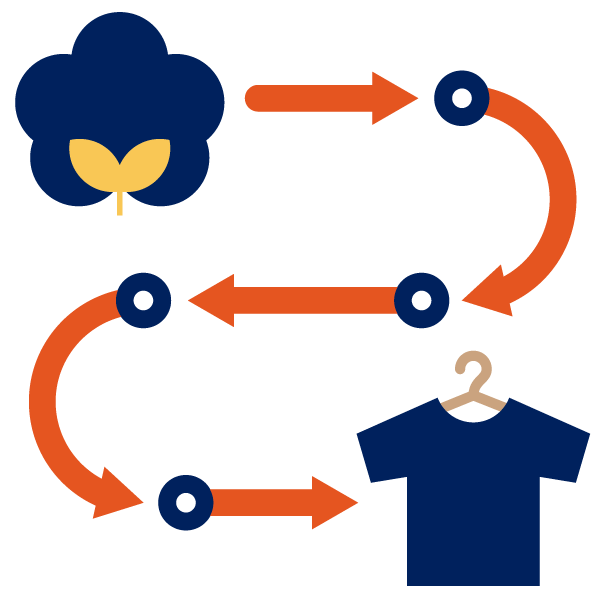
Achieved: Cotton procurement and processing of all REEL and REEL Regenerative programmes is traced through TraceBale.

Smallholder livelihoods
Increase the net income and resilience in a sustainable manner for one million cotton farmers and workers by 2030

On track: Over 800,000 farmers have participated in CottonConnect programmes up to and including 2024-25.
Women’s empowerment
500,000 women trained in Women in Cotton programmes by 2030

On track: 264,269 women participated in Women in Cotton programmes in 2024-25
CONTRIBUTION TO UN SDGS

CottonConnect’s programmes increase income and profit from cotton growing for smallholder farmers.
Increased income due to higher yields, combined with reduced input costs, means more profit is retained by the farmer.
The Women in Cotton programme teaches women how to improve livelihoods including running their own microenterprises.
The REEL Cotton Code specifically requires women’s pay shall be equal to their male counterpart for the same type of work provided, and there is no discrimination on the basis of gender.
Programmes related to disadvantaged or minority groups among the farmer workforce, in particular women, are in place to improve their position.(REEL Cotton Code 3.1)

The REEL Cotton Code specifically requires equal pay for work of equal value. It prohibits forced and child labour, and supports enrolling of children into schools. (REEL Cotton Code 3.1)
The Responsible Business for Gins Code of Conduct improves health and safety practices in gins.

CottonConnect’s programmes support income growth of low-income smallholder farmers and workers through increased profit and yield.
The REEL Cotton Code criteria stipulate no discrimination on sex, disability, race, ethnicity, origin, religion, economic or other status. (REEL Cotton Code 3.1)

CottonConnect teaches smallholder farmers about the sustainable management and efficient use of natural resources, e.g. water.
CottonConnect provides supply chain visibility and traceability for brands and retailers to help consumers make informed choices to choose cotton more sustainably grown.
The REEL Regenerative programme increases capacity in climate mitigation practices and reduces field emissions and chemical fertilisers, which contribute to GHG emissions and climate change potential.
PARTNERSHIPS
Implementing Partners
CottonConnect would like to thank its valuable implementing partners:
India
Self Employed Women’s Association (SEWA)
Pakistan
Rural Education and Economic Development Society (REEDS)
Bangladesh
CottonConnect also thanks the Cotton Development Board in Bangladesh for its assistance with farmer training in the REEL Cotton Programme in Bangladesh.
Egypt
Türkiye
Farmers
Smallholder farmers are at the heart of CottonConnect’s sustainable cotton programmes, and a trusted partnership has developed over the years working with local implementing partners known to the cotton farming communities.
As part of continuous feedback with farmers, the 2024-25 impact results in this report will be shared with programme farmers through the implementing partners. CottonConnect first piloted a farmer feedback method in 2022, with programme farmers in Madhya Pradesh, India, and Khulna, Bangladesh. Across both locations, the programme farmers found the impact results helpful, identifying areas where they can perform better than conventional farmers and which areas to focus on for better profits, cost savings, and yield. The results from last year’s impact report (2023-24) were shared with farmers as part of this farmer feedback method.
Clients
CottonConnect is pleased to partner with a number of leading brands and companies from across across fashion, retail, and manufacturing.
COLLABORATIVE PLATFORMS
CottonConnect is proud to have been a member of these organisations during 2024-25.



CottonConnect is proud to have taken part in the 2025 Textile Exchange Fiber and Materials Matrix and stand alongside a growing number of programmes committed to improving practices in fibre and raw material production (and helping inform brand and retailer sourcing decisions). Find out more at textileexchange.org.
The REEL Cotton Code is approved as a sustainable standard system for sustainable cotton by the Partnership for Sustainable Textiles. CottonConnect is not a member of the Partnership for Sustainable Textiles.
Learn more about CottonConnect from our website and get in touch for support with your sustainable sourcing goals